Tek Tıkla Ödeme Nedir E-Ticarette Dönüşüm Oranlarını Artırmanın Yeni Yolları
Tek Tıkla Ödeme Nedir E-Ticaret’te Dönüşüm Oranlarını Artırmanın Yeni Yollarını Keşfedin...
İnternetten yapılan alışverişlerde dolandırıcılığa karşı kullanılan güvenlik önlemleri nelerdir öğrenmek için blog yazımıza göz atın!

E-ticaret siteleri, uzaktan işlem yapılması sebebiyle karşılıklı güven sağlaması gereken platformlar arasında yer alır. Türkiye’de yapılan araştırmalara göre her yıl ortalama 500.000 kez kredi kartı bilgisi çalma girişimi yaşanır ve bu yüzden de e-ticarette sahteciliği önlemenin önemi her geçen gün artar. Fraud, yani Türkçe’deki ismiyle sahtecilik yöntemlerinin engellenmesi için, e-ticarette pek çok farklı yöntem uygulanır. Hem müşterinin hem de satıcının güvenliğini sağlamak ve sahtekarlık olaylarının yaşanmasını engellemek için alınan önlemler, e-ticaret işlemlerinin güvenli bir şekilde tamamlanmasını sağlar. Peki teknolojinin gelişmesiyle birlikte yaygınlaşan ve e-ticarette sahteciliği önleyen güvenli alışveriş yöntemlerinin neler olduğunu biliyor musunuz? İşte karşınızda e-ticarette kullanılan güvenli ödeme seçenekleri…
E-ticarette sahtecilik, pek çok farklı şekilde uygulanabilir. Bunun en yaygın yolu da kendisine satıcı görünümü vermiş internet korsanlarının müşterilerin kart bilgilerine ulaşmasıdır. Kart bilgisi çalınan hesaplardaki nakit para kolayca takip edilemeyen hesaplara aktarılabilir ya da online alışverişlerde kullanılabilir. Bu dolandırıcılık türünde internet korsanlarının tüm işlemleri kullanıcıya ait geçerli bilgilerle yapması, para transferini ya da alışverişi kimin yaptığı detayının tespit edilememesine ve çalınan paranın geri alınamamasıyla sonuçlanabilir. Bu sahtecilik yönteminin engellenmesi için, OTP (One Time Password), yani tek kullanımlık şifre uygulamasına başvurulur. Tek kullanımlık şifre, para hesabının bulunduğu finans kuruluşları tarafından müşterinin cep telefonu numarasına gönderilir ve yalnızca tek bir işlem için tanımlanır. Ağırlıklı olarak güvenlik önlemi amacıyla geçerlilik süresi birkaç dakika ile sınırlı tutulan bu tek kullanımlık şifreler, kart bilgilerinizi verdiğiniz internet sitelerinin banka hesabının gerçek şifresini öğrenmesini önler. Tek kullanımlık şifre sayesinde para transferi, yalnızca finans kuruluşu müşterisinin izin verdiği şekilde gerçekleşir ve böylece en yaygın online dolandırıcılık yönteminin önüne kolayca geçilebilir.
Finans kuruluşları tarafından online alışverişlerinizi güvenle gerçekleştirebilmenizi sağlayan yöntemler arasında 3D Secure ödeme yöntemi de bulunur. XML tabanlı bir protokol olan 3D Secure ödeme yöntemi, isminden de anlaşılacağı üzere 3 boyutlu bir sisteme sahiptir. Bu boyutlardan ilki finans kuruluşu, ikincisi alışverişte kullanılan kartı çıkaran banka, üçüncüsü de bankaların karşılıklı güvenini sağlayan otomatik sistemdir. 3D Secure ödeme yöntemi, kart sahibini onaylama ve onayın geçerlilik değerini belirleme prensibiyle çalışır. 3D Secure sistemine sahip herhangi bir e-ticaret sitesinden alışveriş yapmak isteyen müşteri, sitenin online ödeme sayfasına kart bilgilerini girdikten sonra site otomatik olarak 3D Secure sayfasına yönlendirilir. 3D Secure sayfası, e-ticaret sitesinde ödeme yaptığınız sayfanın dışında yeni bir sayfaya yönlendirilerek açılan ayrı bir platformdur ve bu sayede 3D Secure sayfasına girdiğiniz kişisel bilgileriniz e-ticaret sayfasından gizlenir. Kartını kullandığınız finans kuruluşu, 3D Secure sistemine girmenizle birlikte size tek kullanımlık bir şifre gönderir ve bu şifreyi 3 dakika içinde ilgili sayfaya girmenizi ister. Şifreyi girmenizle birlikte finans kuruluşunuz, ödeme yapacağınız e-ticaret sitesinin çalıştığı finans kuruluşuna otomatik bir onay gönderir ve bu sayede ödeme işleminiz gerçekleşir. 3D Secure ödeme sistemi sayesinde girdiğiniz tek kullanımlık şifre, yalnızca gönderici ve alıcı finans kuruluşları tarafından görüntülenebilir. Şifrenin kullanımı sonrasında banka hesabınızla ya da kredi kartınızla herhangi bir ilişkisi kalmaması ile de ekstra güvenlik sağlanır.
Fraud, yani sahtecilik kavramının önüne geçmek için geliştirilen teknolojilerden biri de PCI DSS olarak bilinen “Payment Card Industry Data Security Standard”tır. Türkçeye “Ödeme Kartı Endüstrisi Bilgi Güvenlik Standardı” olarak çevrilebilen bu teknoloji, kart sahibi verilerini güvende tutar ve bilgi hırsızlığının önüne geçer. Kişisel verilerin ve karta bilgilerinin üçüncü şahıslar ve satıcı kuruluşlar tarafından görülmesini önleyen PCI DSS, bu sayede kart bilgilerinin kötü niyetle kullanılmasını önleyerek dolandırıcılık başta olmak üzere başkasının hesabını izinsiz kullanma, zimmete para geçirme, yasadışı işlemlerin ödemelerini başkası adına yapma gibi pek çok finans suçunun işlenmesine otomatik olarak engel olur. Eğer siz de e-ticaret sitenizi ve müşterilerinizi sahtecilik faaliyetlerinden maksimum güvenlikle korumak istiyorsanız, tüm banka ve ödeme kuruluşlarıyla iş birliği gerçekleştiren ve PCI DSS uyumlu altyapısıyla size tek platformdan sınırsız avantaj sağlayan Lidio’yu tercih edebilirsiniz. Lidio Core kapsamındaki Fraud Çözümleri ile sahtecilik riskini minimum seviyeye indirebilir ve Lidio’nun size uygun hizmetlerinden yararlanmak için bizimle iletişime geçin!
Tek Tıkla Ödeme Nedir E-Ticaret’te Dönüşüm Oranlarını Artırmanın Yeni Yollarını Keşfedin...
CVV Kodu Nedir? Neden önemlidir? Öğrenmek için blog yazımızı zirayet edin!...
Provizyon Nedir? Provizyon Ne İçin Kullanılır? Öğrenmek için blog yazımızı ziyaret edin!...
QR Kod Nedir? QR Kod Ne İçin Kullanılır? Öğrenmek için blog yazımızı zirayet edin!...

Linkle ödeme nedir, linkle ödeme sistemi nasıl çalışır, avantajları nelerdir, ve linkle ödeme nasıl alınır merak ediyorsanız detaylı bilgi için blog yazımızı okuyun!...
Ödeme sistemleri, online mağazalarınızda müşterilerinizden ödeme almak için kullanılan finansal teknolojilerin tümüne verilen addır. Detaylı bilgi için web sitemizi ziyaret edin!...
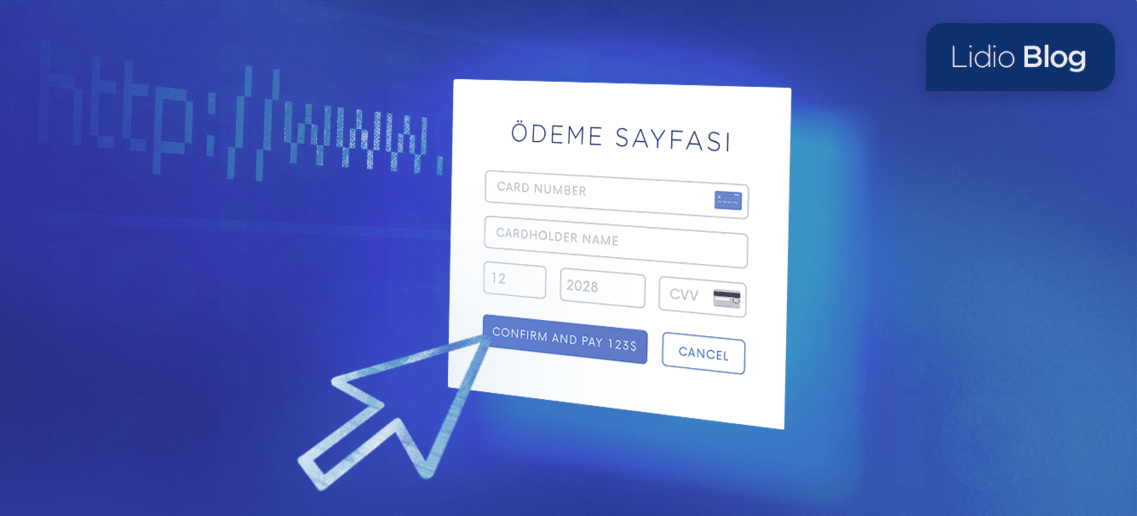
Ödeme sayfası nedir, sayfa güvenliği nasıl anlaşılır, ödeme sürecinin güvenli olduğundan emin olma yolları nelerdir hakkında detaylı bilgi için blog yazımızı okuyun. ...

Startup Nedir? Startup nasıl kurulur öğrenmek için blog yazımızı zirayet edin!...

Check Out Nedir? Neden önemlidir öğrenmek için blog yazımızı zirayet edin!...
Dijital Cüzdan Nedir? ? Neden önemlidir öğrenmek için blog yazımızı zirayet edin!...
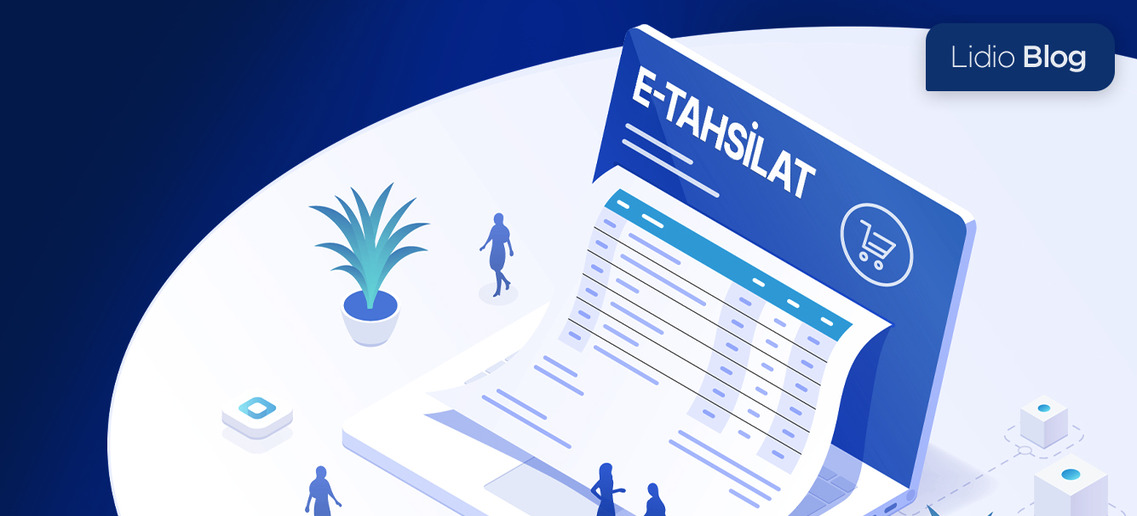
E-Tahsilat Nedir? E-Tahsilat Ne İçin Kullanılır? Öğrenmek için blog yazımızı zirayet edin!...

İnternet alışverişinde tüketicilerin hakları nelerdir, kabul edilen sözleşmeler neyi ifade eder detayları ile öğrenmek için blog yazımıza göz atın!...

Sanal POS hakkında tüm bilmeniz gerekenler: Öğrenmek için blog yazımıza göz atın!...

Sepeti terk etme oranları işletmeler için neden önemlidir, nasıl minimize edilir öğrenmek için blog yazımıza göz atın!...
Geleneksel ödemelerden açık bankacılığa finansal serbestleşme nedir ve neden önemlidir öğrenmek için blog yazımıza göz atın!...

Uluslararası ödemeler nasıl gerçekleştirilir, hangi yöntemler kullanılır öğrenmek için blog yazımıza göz atın!...

Ödeme alma sürecinde tahsilatları tek ekrandan yönetmek işletmelere ne gibi avantajlar sağlar öğrenmek için blog yazımıza göz atın!...

ERP nedir, POS ve hesap hareket takibi nasıl yapılır öğrenmek için blog yazımıza göz atın!...

Issuer, Acquirer ve PSP kavramları nelerdir, PSP seçimi neden önemlidir öğrenmek için blog yazımıza göz atın!...
İnternetten yapılan alışverişlerde dolandırıcılığa karşı kullanılan güvenlik önlemleri nelerdir öğrenmek için blog yazımıza göz atın!...

E-ticarette online satış yapmanın püf noktaları nelerdir, tüketici deneyimi nasıl iyileştirilir öğrenmek için blog yazımıza göz atın!...

Açık bankacılık nedir, işletmelere nasıl avantajlar sağlar öğrenmek için blog yazımıza göz atın!...

Güvenli online alışverişin şifresi: 3D Secure Ödeme nedir, ne işe yarar öğrenmek için blog yazımıza göz atın!...

Kredi kartı, kapıda ödeme, havale/kredi, mobil ödeme gibi alternatif ödeme yöntemleri nelerdir, nasıl kullanılır öğrenmek için blog yazımıza göz atın!...